Dubai is a city that never fails to amaze visitors with its awe-inspiring architecture. Among the many architectural wonders that grace its skyline, glass architecture stands out for its unique beauty and shimmering quality. Glass Architecture in Dubai have become a hallmark of Dubai’s modernity and are a testament to the city’s innovative spirit.
Dubai’s glass architecture is not only visually stunning, but it also serves a practical purpose. The use of glass in construction has many advantages, including energy efficiency, sustainability, and natural light diffusion. Glass buildings are also highly resistant to weathering and offer unobstructed views of the surrounding landscape. These features make Glass Architecture in Dubai are a popular choice for many architects and developers in Dubai.
In this blog post, we will take a closer look at some of the most remarkable glass buildings in Dubai and explore the unique design and engineering challenges they present. From the towering Burj Khalifa, the world’s tallest building, to the iconic Burj Al Arab, the city’s most luxurious hotel, we will delve into the fascinating world of glass architecture and discover what makes it such a vital part of Dubai’s skyline. So, sit back, relax, and let’s explore the shimmering world of glass architecture in Dubai.
The History of Glass Architecture in Dubai
Dubai is known for its awe-inspiring skyscrapers and iconic buildings that feature breathtaking glass facades. The use of glass in architecture in Dubai has been an essential element in the city’s rapid development and has undergone significant changes over the years.
The history of glass architecture in Dubai dates back to the early 1990s, with the construction of the Dubai World Trade Centre, the first skyscraper in the city. Its reflective glass exterior became a symbol of the city’s modernity and paved the way for future glass-clad buildings.
The late 1990s saw the construction of several iconic buildings, such as the Emirates Towers and the Burj Al Arab, which featured extensive use of glass. The Burj Al Arab’s sail-shaped structure was clad entirely in glass, while the Emirates Towers used an innovative design that utilized reflective glass panels to enhance the building’s aesthetic appeal.
The 2000s saw a surge in the use of glass in Dubai’s architecture, with several ambitious projects, such as the Burj Khalifa, the Dubai Mall, and the Atlantis Hotel, showcasing the potential of glass as a design element. The Burj Khalifa’s glass façade is a defining feature of the building, and its reflective surface creates a shimmering effect that is visible from miles away.
In recent years, Dubai has continued to push the boundaries of glass architecture with buildings like the Dubai Frame, which features a massive glass bridge offering panoramic views of the city, and the Dubai Opera House, which uses glass to create a transparent façade that showcases the building’s interior.
The Most Iconic Glass Buildings in Dubai
Dubai is home to some of the world’s most impressive glass buildings. Here are a few of the most iconic ones that stand out for their design and architecture.
- Burj Khalifa: The tallest building in the world, the Burj Khalifa, stands at a height of 828 meters. Its unique design, inspired by the desert flower, Hymenocallis, features a series of stepped setbacks, which not only add to its aesthetic appeal but also provide outdoor terraces with stunning views of the city.
- Emirates Towers: The Emirates Towers, consisting of two skyscrapers, are another stunning example of Dubai’s iconic glass buildings. Standing at 355 and 309 meters tall, respectively, the towers feature a distinctive triangular shape that gives them a striking appearance. The exterior of the towers is covered in reflective glass, which serves to reflect the surrounding landscape, creating a shimmering effect.
- Dubai Mall: One of the largest shopping centers in the world, the Dubai Mall is a masterpiece of architecture and design. The building features a stunning glass facade, which is illuminate at night, making it a dazzling sight to behold.
- Cayan Tower: Cayan Tower is another remarkable glass building that is famous for its unique design. The tower twists 90 degrees as it rises, creating a stunning helix-like effect. The building’s exterior is clad in reflective glass, which gives it a sleek and modern appearance.
- Rose Rayhaan by Rotana: This 72-story hotel is another impressive glass building that stands out in Dubai’s skyline. The building’s exterior is clad in reflective glass panels that reflect the surrounding cityscape, giving it a shimmering appearance.
For more: Why Glassrus is the Best Choice for Glass Services in Dubai
The Future of Glass Architecture in Dubai
Dubai has become renowned for its ambitious and extravagant architecture, with many of its buildings utilizing cutting-edge technologies and innovative designs. Glass has become a popular material for architects, as it allows for stunning designs and breathtaking views. In this regard, the future of glass architecture in Dubai looks promising, with several upcoming projects pushing the boundaries of what’s possible with this material.
One of the most exciting Glass Architecture in Dubaii is the Dubai Creek Tower, which is expected to be the world’s tallest building once completed. The tower’s design is inspired by the lily flower and will feature a stunning glass façade that will reflect the surrounding water and skyline. The tower will also incorporate several sustainable features, including a wind turbine at the top and a series of solar panels.
Another notable project is the Museum of the Future, which will showcase the latest technological innovations and advancements. The museum’s design features a unique façade made up of triangular panels that will be covered in a special material that reflects sunlight, creating a dazzling display. The building will also incorporate several sustainable features, including solar panels, a rainwater collection system, and a green roof.
These projects are pushing the boundaries of glass architecture in several ways. Firstly, they demonstrate the versatility of glass as a building material. As it can be used to create a wide range of shapes and designs. Secondly, they showcase the potential of glass to be sustainable and energy-efficient. With features such as solar panels and green roofs becoming increasingly common.
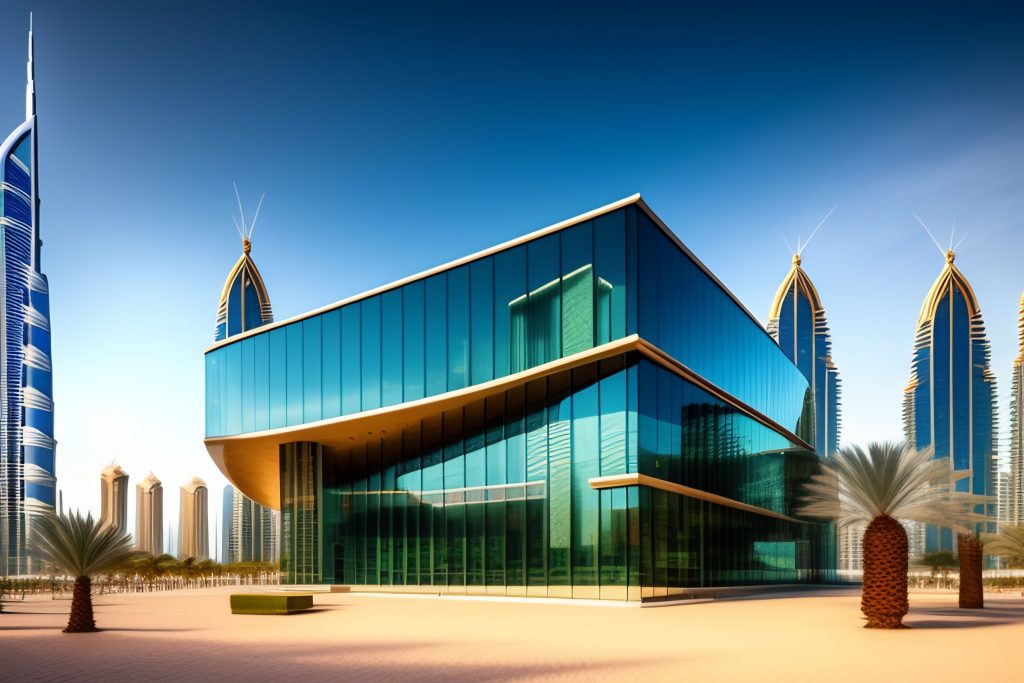
The Benefits and Drawbacks of Glass Architecture
Benefits of Glass Architecture:
- Energy Efficiency: One of the biggest benefits of glass architecture is that it can be energy efficient. The use of high-performance glass can help to insulate the building. Reducing the amount of energy needed to heat or cool the interior. Additionally, the use of natural light can help to reduce the need for artificial lighting, further reducing energy consumption.
- Natural Light:. Glass architecture allows for an abundance of natural light to enter the building, providing a bright and inviting space. This can help to improve the well-being and productivity of occupants. As well as reduce the need for artificial lighting during the day.
Drawbacks of Glass Architecture:
- Cost: Glass architecture can be expensive due to the high cost of materials and installation. The use of high-performance glass and specialized structural systems can add significant costs to a project. Making it a more expensive option than traditional building methods.
- Maintenance: Glass requires regular maintenance to keep it looking clean and clear. This can include cleaning the exterior surfaces, repairing chips or cracks, and replacing any broken or damaged glass panels. This maintenance can be time-consuming and costly, especially for buildings with large glass facades.
- Environmental Impact: The production and disposal of glass can have a significant environmental impact. The manufacturing process for glass requires large amounts of energy. And the transportation of glass panels can contribute to carbon emissions. Additionally, the disposal of glass panels at the end of their life cycle can be difficult and expensive. As glass is not biodegradable.
In conclusion, glass architecture has several benefits, including energy efficiency, natural light, and aesthetic appeal. However, there are also drawbacks to consider, such as cost, maintenance, and environmental impact.
For more: Folding Glass Doors For Your Offices & Home
Conclusion
Dubai’s glass architecture is a stunning testament to the city’s commitment to pushing boundaries and setting new standards in architecture. The shimmering skyline is a marvel to behold, with its towering structures, innovative designs, and cutting-edge technologies. These buildings are not just visually impressive; they also serve as symbols of Dubai’s ambition and determination to become a global leader in architecture and design.
We would like to express our sincere gratitude to our readers for taking the time to read this blog post. We hope that we have provided you with valuable insights and information about the Glass Architecture in Dubai. Our goal was to showcase the beauty and innovation of these structure. And while also highlighting the cultural significance of this architectural style.